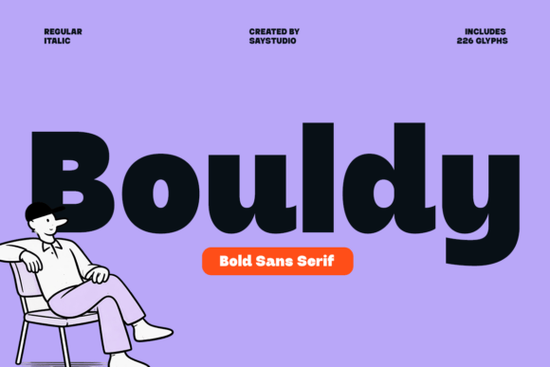
Finding the right typography for a new brand or craft project often comes down to balancing readability with personality. A heavy, rounded typeface grabs attention without feeling aggressive. The Bouldy Font is a prime example of this balance. It features thick letterforms and smooth curves, making it highly legible while projecting a confident, friendly vibe. Print-on-demand sellers, small business owners, and graphic designers frequently look for this exact style to create memorable logos and packaging. When starting a new project, choosing a typeface that communicates your brand's core message is a crucial first step.
What makes a rounded sans serif font good for branding?
When shoppers look at a product, the typography communicates the identity of the business before they read a single word. Smooth, thick letters feel approachable and modern. Unlike sharp, rigid geometric fonts that can sometimes feel cold, rounded shapes bring a playful energy. This works exceptionally well for casual apparel, children's products, pet accessories, or friendly tech startups.
Designers often struggle to find a typeface that is heavy enough to stand out on a crowded social media feed but soft enough to remain inviting to the reader. By choosing heavy rounded lettering, you establish a visual presence that feels both strong and accessible. This specific style ensures your main headlines catch the eye immediately on posters, storefront signage, or digital advertisements.
Where should you use thick, playful lettering in your projects?
Because of its bold nature, this type of font performs best in short bursts of text. It commands attention, which means it should be reserved for the most important parts of your message. Here are a few practical ways to apply it across your creative work:
- Product Packaging: Use it for the main product name on boxes, pouches, or labels to ensure it is completely readable from a distance on a retail shelf.
- Social Media Graphics: Short, punchy quotes or promotional announcements look fantastic when set in thick letters against a solid, contrasting background.
- Apparel Design: Crafters using vinyl cutters or screen printing will appreciate the smooth curves. Thicker letters are much easier to weed and print clearly on t-shirts and tote bags without tearing.
If you want to create a layered, mixed-media design, try combining different styles. You might use this bold font for your main title, and then pair it with a sketchy single line alternative for a handwritten subtitle. This combination adds texture and keeps the layout visually interesting without overwhelming the viewer.
How do you pair heavy display fonts with other typefaces?
Typography pairing is fundamentally about creating contrast. When your primary font is very thick and expressive, your secondary font needs to be quiet, structured, and easy to read.
Avoid pairing two heavy fonts together, as this creates a cluttered and confusing design that frustrates the reader. Instead, try combining your bold headlines with a clean and simple secondary font for the body copy. This ensures your customers can easily read the fine details, like product descriptions, pricing, or ingredient lists, without the text competing for attention.
You can also experiment with different moods to tell a specific story. If you are designing a summer sale campaign for a boutique, pairing your strong main text with a relaxed coastal style typeface can instantly communicate a laid-back, vacation-ready message to your audience. The key is to let the heavy font do the heavy lifting while the supporting text provides clear context.
What steps should you take before finalizing your design?
Before exporting your final project or sending it to the printer, run through this quick checklist to ensure your typography is effective and production-ready:
- Check readability at small sizes: Shrink your design down to the size of a mobile phone screen. If the thick letters bleed together and become illegible, increase the letter spacing slightly.
- Limit your text length: Keep the bold font restricted to titles, logos, and short calls to action. Use lighter weights for paragraphs.
- Test color contrast: Ensure the font color stands out sharply against the background. This is especially critical for print-on-demand products viewed on various devices.
- Verify commercial licensing: Always double-check the specific license terms on the marketplace before selling physical or digital items featuring the font.
Take time to experiment with different color palettes and background textures to see how the smooth curves interact with your overall brand identity.
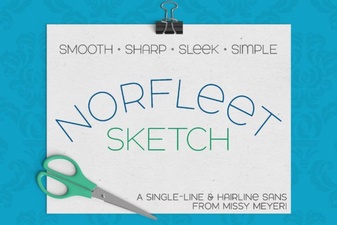 Norfleet Sketch Font for Clean Single-Line Designs
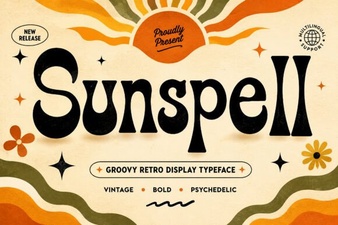 Sunspell Font: Modern & Creative Typography Tools
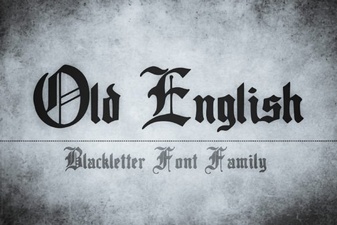 Designing with Historic Old English Fonts
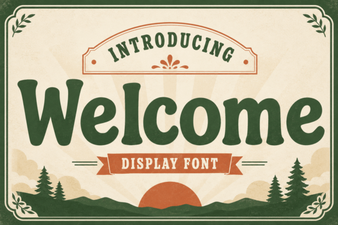 Create Warm & Welcoming Designs with a Welcome Font
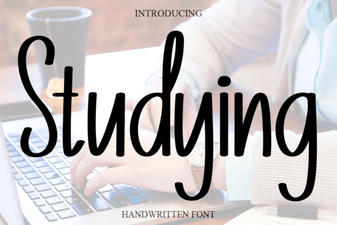 Choosing Fonts for Your Creative Projects
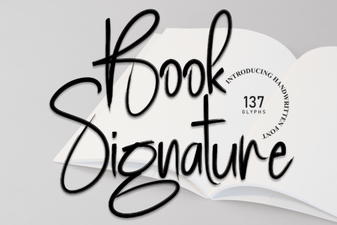 Designing Your Book's Signature Font for Distinctive Style