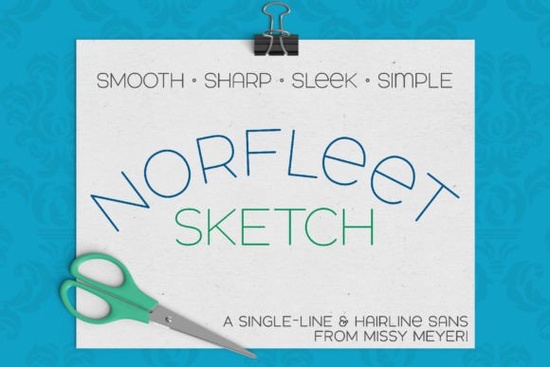
If you work with drawing tools like foil quills or infusible ink pens, you need a typeface designed specifically for plotting. The Norfleet Sketch (single Line) Font is built from the ground up to solve a common problem for crafters, print-on-demand sellers, and designers. Instead of tracing the outline of letters like a standard cutting file, this elegant sans-serif draws the exact shape of the text with smooth, continuous strokes. The design features a modern wide stance and simple double-uppercase letters, along with a few distinct lowercase variants, such as a round-topped A and a lowercase-style e. This approach saves a massive amount of time when you are creating intricate greeting cards, personalized jewelry, or custom signage for small businesses.
How does a drawing font save time for crafters?
Standard outline fonts require a machine to trace both the inside and outside edges of every single letter. For long words or complex scripts, this can take hours. By using a drawing font, your machine only follows one central path. This drastically reduces the production time for projects like wedding invitations or batch-processed name tags. You can find the Norfleet Sketch collection tailored specifically for these single-pass tools.
What is the difference between single-line and hairline files?
When you download the files, you will receive two distinct versions of the typeface. Understanding the difference between these files is crucial for your workflow.
Norfleet Sketch One is a true single-line file. It consists of a single continuous stroke from start to finish. If you use CNC software like Rhinoceros, this is the file you need. Standard design programs might try to connect the start and end points of the strokes. If you use vector software like Adobe Illustrator or Affinity Designer, you can easily remove those connecting lines to reveal the single path.
Norfleet Sketch Two is a hairline version. This is an outline file where the inner and outer strokes are placed so close together that they appear virtually invisible. For most crafting programs, you can just type and go without any extra tweaking. If you want to see more specifics about how these files are structured, you can review the complete product details.
Which design software supports these files?
The hairline version (Sketch Two) is highly compatible with the software you already use. It works seamlessly in:
- Silhouette Studio
- Cricut Design Space
- Adobe Illustrator
- CorelDRAW
- Inkscape
- Affinity Designer
Note: Due to specific software limitations, single-line files are not guaranteed to work correctly in Brother Canvas Workspace. Always check your software's compatibility with drawing paths before starting a major batch project.
How can you mix this font with other typography?
Because the font features a clean, sharp appearance, it acts as an excellent foundation for mixed typography projects. It pairs naturally with clean, simple minimalist typefaces when you need to add secondary text like event dates or business names. If your project requires a bit more visual contrast, you might combine it with relaxed coastal lettering for summer-themed apparel or tote bags. Alternatively, using it as an elegant accent alongside heavier, blocky text helps highlight important details without overwhelming the main design. The download includes a helpful PDF guide to show you exactly how to set up your workspace.
What tools should you use for drawing projects?
Keep in mind that drawing fonts cannot be used for standard word processing, paper printing, or vinyl cutting. You need specific attachments for your electronic cutting machines. These fonts are meant for:
- Sketch pens: Create hand-drawn style lettering for greeting cards and envelopes.
- Foil quills: Add metallic foil accents to leather bookmarks or cardstock.
- Engraving tools: Etch names directly onto metal tags or acrylic blanks.
- Glowforge scoring: Make precise fold lines for custom paper packaging.
- Infusible ink pens: Draw designs that transfer permanently onto fabric or ceramic mugs.
Quick Setup Checklist
Before you start your next crafting session, use this quick setup list to ensure a smooth process:
- Open the included PDF guide to verify which file version fits your specific software.
- Select the hairline version for plug-and-play use in Cricut or Silhouette.
- Choose the true single-line version if you are working in Rhinoceros or are comfortable editing nodes in Illustrator.
- Install the correct stylus, foil quill, or scoring tool into your machine's clamp.
- Run a test plot on scrap paper to ensure your line thickness and spacing look exactly right before using your final materials.
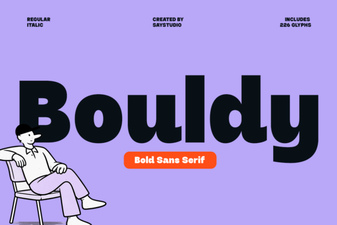 Bouldy Font: a Bold Tool for Creative Projects
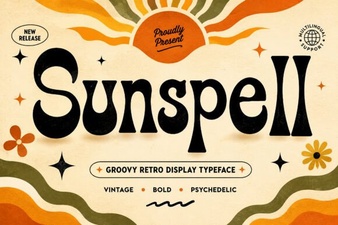 Sunspell Font: Modern & Creative Typography Tools
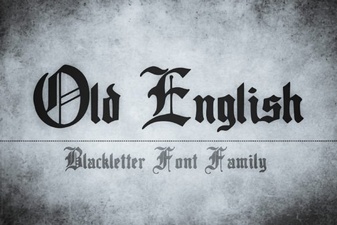 Designing with Historic Old English Fonts
 Create Warm & Welcoming Designs with a Welcome Font
 Choosing Fonts for Your Creative Projects
 Designing Your Book's Signature Font for Distinctive Style