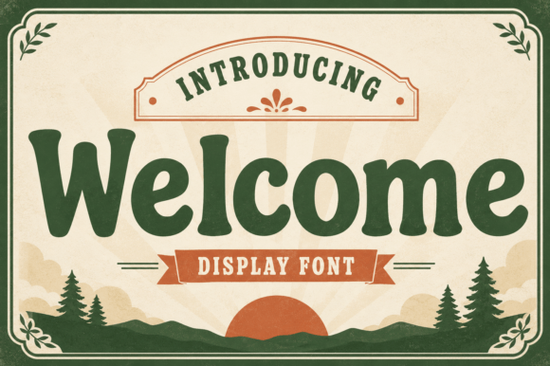
Finding the right typography for a nostalgic brand identity can be challenging, especially when you need something that feels friendly but still commands attention. The Welcome Font is a dynamic slab serif that bridges this gap perfectly. Designed with bold characters and soft rounded curves, it brings a warm vintage charm to any creative project. Whether you are a small business owner designing café signage or a print-on-demand seller making children's apparel, this typeface offers the right mix of readability and retro appeal.
What kind of vibe does a rounded slab serif create?
A rounded slab serif immediately signals approachability. The thick, blocky structure of the letters provides a strong foundation, while the softened edges remove any harshness. This makes the typeface highly effective for brands that want to appear established yet inviting. If your design goal leans toward something more rugged or weathered, you might naturally gravitate toward grunge textured typefaces. However, for businesses like bakeries, bookshops, or family-owned stores, the clean but quirky nature of a rounded slab serif works much better.
When building a complete visual identity, pairing is crucial. Because the main letters are quite bold, they look fantastic when contrasted with thinner, more delicate styles. For instance, combining these strong headlines with whimsical handwritten scripts can soften the overall layout and add a deeply personal touch to your packaging or greeting cards.
How can crafters use this typography for merchandise?
Print-on-demand sellers and physical crafters need fonts that translate well to various materials. The bold weight of this specific typeface ensures that it remains highly visible, even when printed on textured surfaces or viewed from a distance. Here are a few practical ways to apply it to your products:
- Coffee shop branding: Use it for menu headers, A-frame sidewalk signs, and window decals where quick readability is essential.
- Nursery decor: The playful retro quirks make it an excellent choice for wooden name signs, canvas wall art, and baby shower invitations.
- Apparel and accessories: Screen print short, catchy phrases on canvas tote bags or retro-style t-shirts. The thick lines hold ink well and prevent fading over time.
Creating seasonal collections is another smart strategy. If you are designing a summer product line, pairing this font with citrus-inspired rustic lettering can tie the whole retro summer theme together. On the other hand, if you are crafting gear for school events, using athletic display styles for the numbers while using this slab serif for the main school name provides excellent visual contrast.
Is this font legible enough for long headlines?
Yes, but with a few caveats. Like most display fonts, it is engineered to make a strong statement in short bursts. It is perfect for logos, primary titles, and short quotes. You should avoid using it for paragraphs of body text, as the heavy weight and distinct quirks can cause eye strain over long reading sessions.
To maintain a clear hierarchy in your layouts, reserve this typeface for your primary focal points. When you need a secondary font for subheadings or slightly longer descriptions, opting for a standard warm serif typography will keep your vintage aesthetic intact without sacrificing readability.
What are the best practices for printing with bold vintage fonts?
Working with thick letterforms requires a bit of technical planning. Always check your kerning before sending a file to print. Bold characters can sometimes appear too crowded, especially when scaled down for business cards, mugs, or clothing tags. Adjusting the spacing manually will ensure each word is easy to read and retains its unique character.
Additionally, consider your color contrast and material choice. A dark, warm brown or deep navy blue background will enhance the vintage feel much better than a stark, modern black. If you are cutting this design on a vinyl plotter for a wooden sign, the thick stems of the slab serif will be much easier to weed than thin, delicate lines. Testing your color combinations and cut settings on a small sample print can save you from costly mistakes on larger production runs.
Quick Setup Checklist for Your Next Project
- Download and install the font files to your system.
- Open your design software and type out your main headline.
- Adjust the tracking and kerning to ensure the thick letters have enough breathing room.
- Select a secondary, lighter font for your subheadings and body text.
- Choose a warm, nostalgic color palette to complement the retro shapes.
- Export a test file and review it at actual size before finalizing your merchandise or print order.
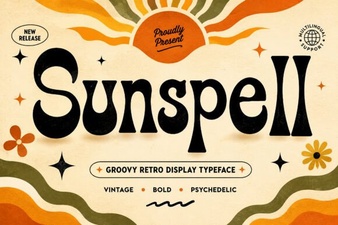 Sunspell Font: Modern & Creative Typography Tools
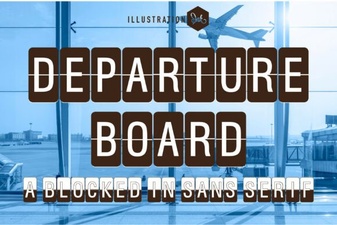 Guide to Departure Board Typography & Design
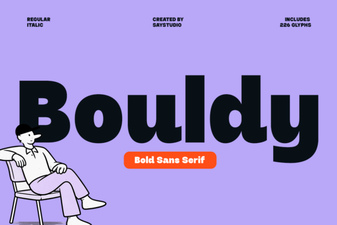 Bouldy Font: a Bold Tool for Creative Projects
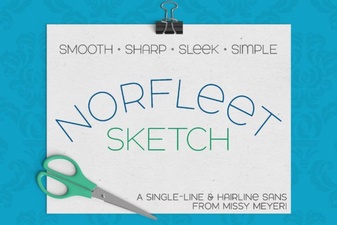 Norfleet Sketch Font for Clean Single-Line Designs
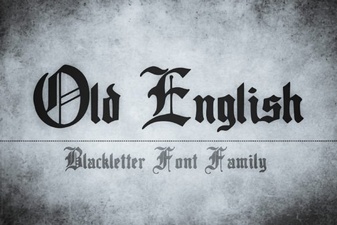 Designing with Historic Old English Fonts
 Choosing Fonts for Your Creative Projects