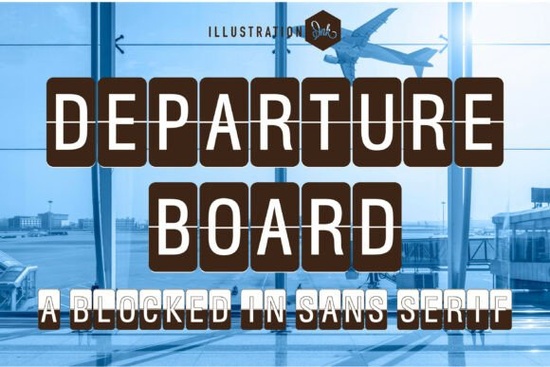
Designing travel-related merchandise or branding often requires typography that instantly communicates movement and nostalgia. The Departure Board Font achieves exactly this by replicating the mechanical, split-flap displays found in mid-century train stations and airports. This highly structured specialty display typeface places clean, uppercase sans characters inside tall, rounded rectangular capsules. Each letter features a distinct horizontal line splitting it right down the center baseline. For print-on-demand sellers, small business owners, and creative hobbyists, this authentic transit aesthetic provides a ready-made vintage vibe without requiring complex custom lettering skills.
How can crafters use split-flap typography on merchandise?
When creating products for travel enthusiasts, the visual weight of your text matters significantly. The heavy, blocked-in nature of this industrial-themed font makes it highly legible from a distance. This quality is ideal for canvas tote bags, airport luggage tags, or ceramic coffee mugs designed for frequent flyers. Because the characters are strictly uppercase, they work best for short, impactful phrases. Think of standard three-letter airport codes, city names, or bold statements like "WANDERLUST" or "ON TRANSIT."
If your specific project involves school trips or sports travel, you might want to mix this mechanical look with collegiate lettering styles to create a fun, athletic contrast. On the other hand, boutique hospitality brands aiming for a warmer feel can balance the rigid grid of the letters by pairing them with inviting display typefaces in their subheadings and secondary text.
What branding projects fit a retro transit aesthetic?
Independent travel publications and boutique luggage brands benefit greatly from typography that tells a visual story. Using this typeface for magazine headers, storefront signage, or website banners immediately establishes a global, adventurous identity. The rounded rectangular capsules mimic physical departure boards, which taps into the nostalgia of classic locomotion and early commercial aviation.
Graphic designers working on event posters or high-impact social media titles can use the font to structure their layouts like actual terminal schedules. If you are looking for more transportation-inspired typography to build out a broader brand collection, checking out this transit style display font category is a great way to find complementary assets. Conversely, if your brand leans more toward fantasy or luxury travel, you might prefer elegant retro serifs to convey a completely different kind of historical charm.
What are the best font pairings for industrial display fonts?
Because these letters are highly stylized and visually heavy, they should primarily serve as headers, logos, or title text. For body copy, always choose a clean, simple sans-serif or a highly readable monospace font that does not compete with the distinct split-flap effect. White space is your best friend when working with such structured letterforms.
When designing packaging for children's travel gear or family-oriented luggage, the rigid industrial lines might feel a bit too harsh. In those specific cases, creators often switch to cozy handwritten letters to keep the branding friendly and approachable. Always let the target audience dictate how strict or playful your overall typography should be.
What should you check before applying a specialty display typeface?
Before you finalize your design files for commercial production, it is highly recommended to run through a quick technical and visual review. Specialty fonts have unique quirks that can cause frustrating issues if not handled properly during the export and printing process.
- Check character limits: Since this style only includes uppercase letters, ensure your overall design does not require lowercase text for proper readability.
- Test the center split: Zoom in on your canvas to verify that the horizontal baseline split does not get lost or muddy when printed at very small sizes.
- Adjust letter spacing: The tall, rectangular capsules might look cramped if placed too closely together. Add slight tracking to let the individual letters breathe.
- Convert to outlines: If you are sending files to a commercial printer, a sign maker, or a laser cutter, convert your text to vector shapes to preserve the exact look of the split-flap capsules.
- Keep it brief: Limit your usage to a few words per line. Long paragraphs will become difficult to read and completely lose the aesthetic impact of a real train station sign.
Take a moment to outline your text in your preferred design software and print a single physical test copy. This simple next step ensures the retro transit aesthetic translates perfectly to your final merchandise.
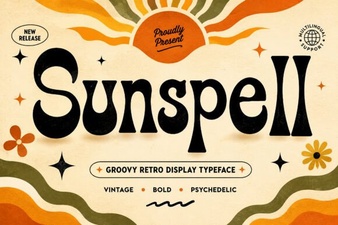 Sunspell Font: Modern & Creative Typography Tools
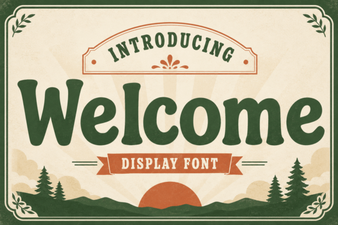 Create Warm & Welcoming Designs with a Welcome Font
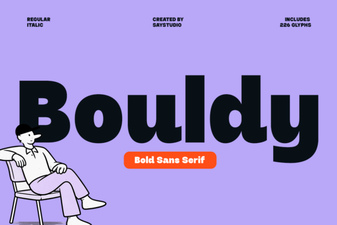 Bouldy Font: a Bold Tool for Creative Projects
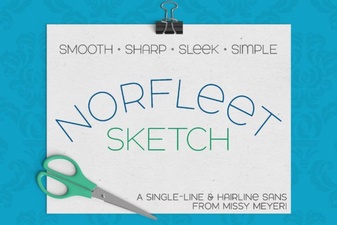 Norfleet Sketch Font for Clean Single-Line Designs
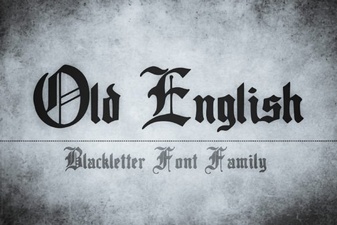 Designing with Historic Old English Fonts
 Choosing Fonts for Your Creative Projects